Timeless Games. Shared Moments. Modern Competition.

Heritage Games

Heritage Games is a competitive player-vs-player gaming platform inspired by traditional games and the social spaces where people have gathered to play them for centuries.

We are building a digital environment where participants from different cultures can compete, converse, and spend time together, playing short-form games with transparent rules, equal stakes, and immediate settlement.

Players compete against each other, not against the operator.

Heritage Games - Timeless games

The Idea

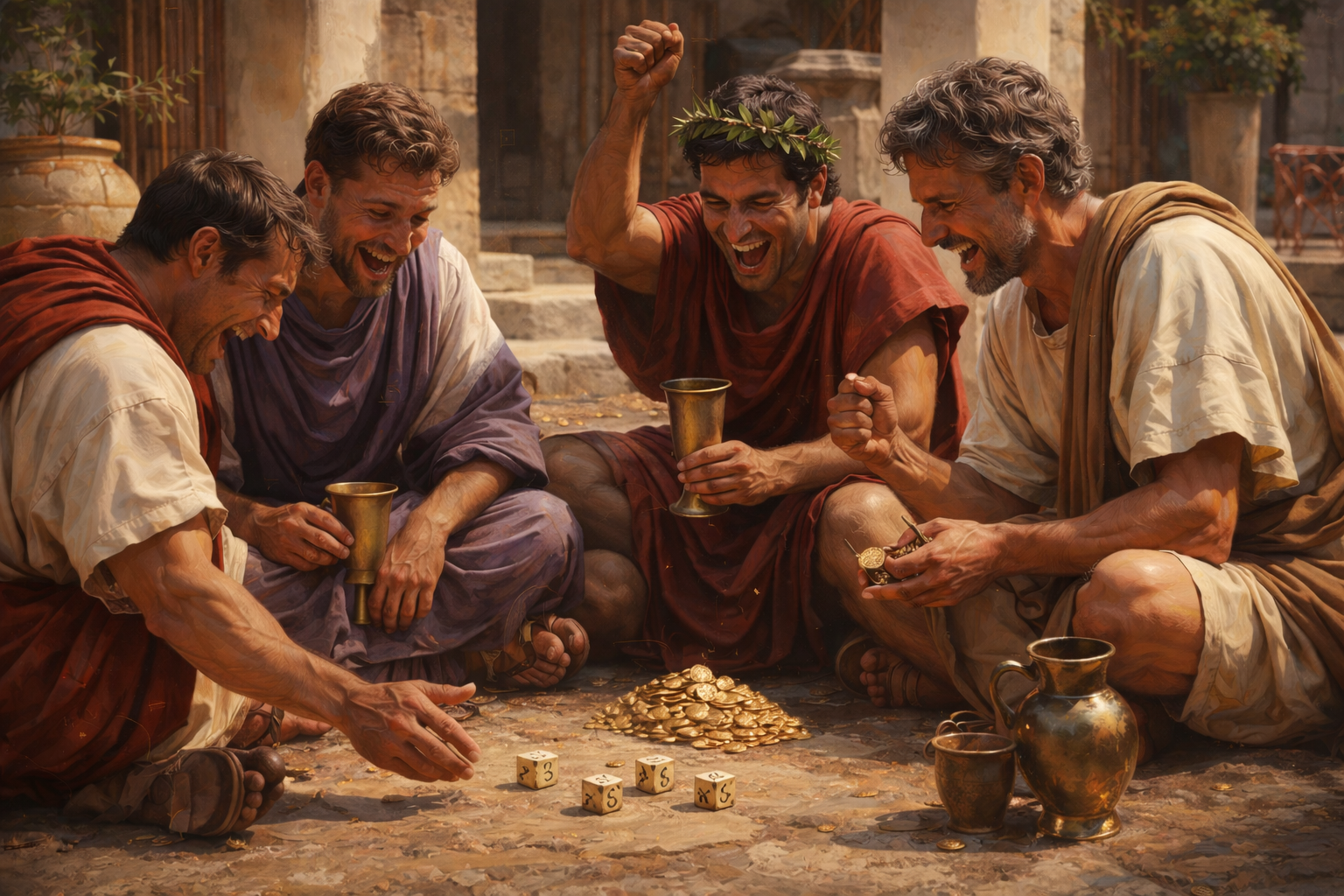
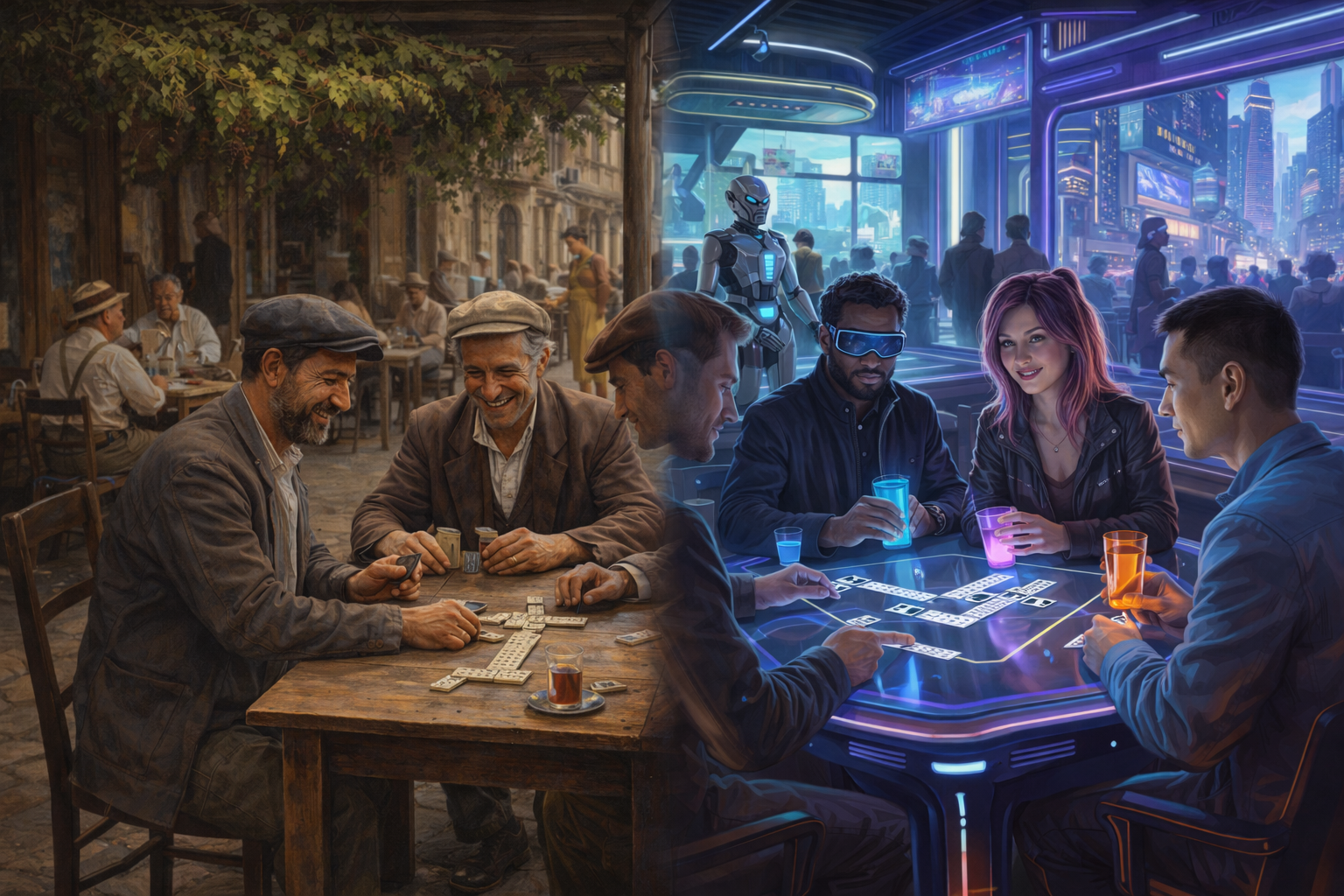
For most of history, games were not isolated activities. They were played in cafés, courtyards, tea houses, and public squares — places where people talked, argued, laughed, and learned about each other.

Heritage Games brings this tradition into a modern digital platform by combining:

  • competition
  • conversation
  • cultural exchange
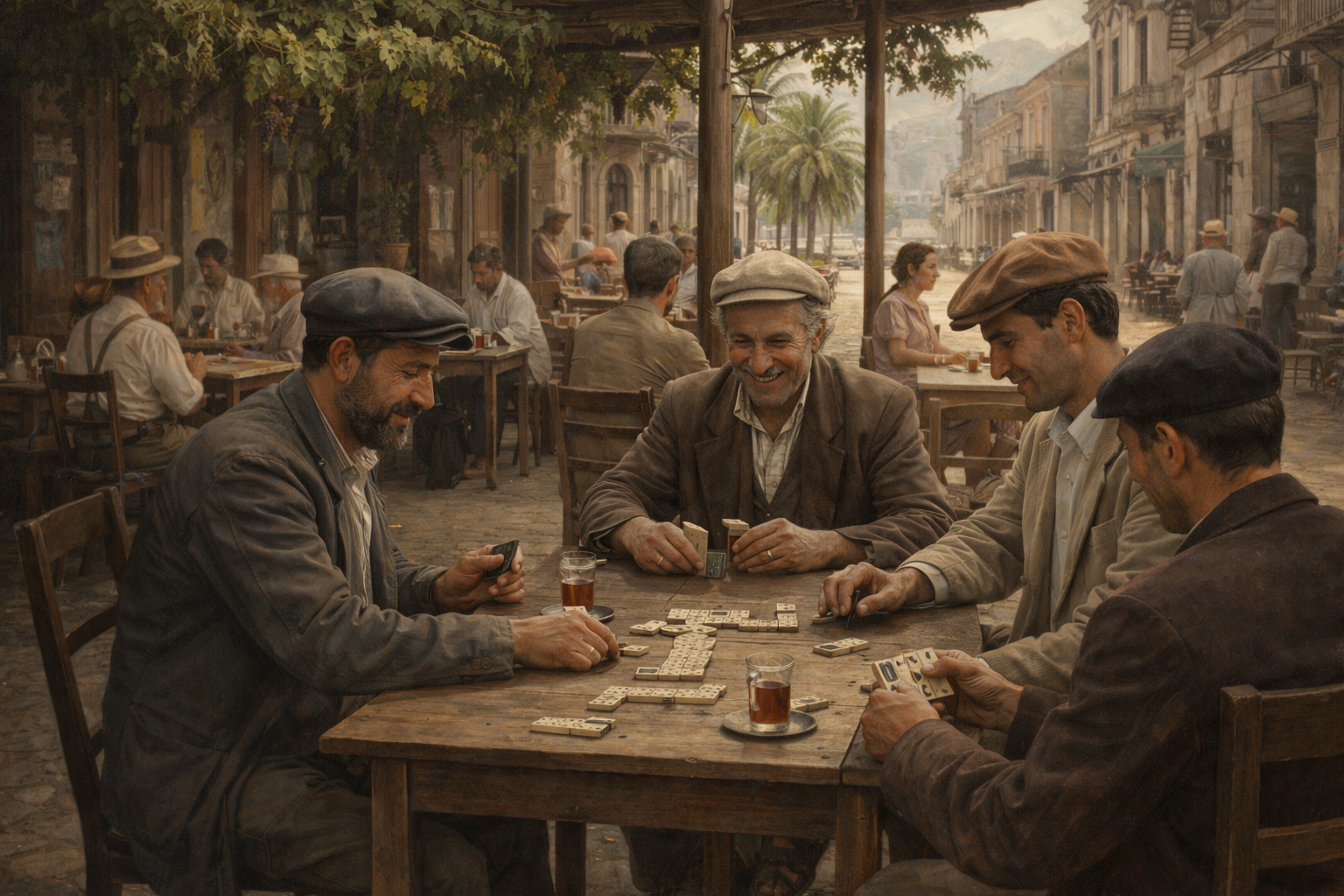
Domino game

What Makes Heritage Games Different

  • Player-vs-player competition only
  • The operator never participates in gameplay
  • No house-banked games
  • Equal stakes and predefined rules
  • Short matches with immediate settlement
  • A social layer designed for respectful interaction

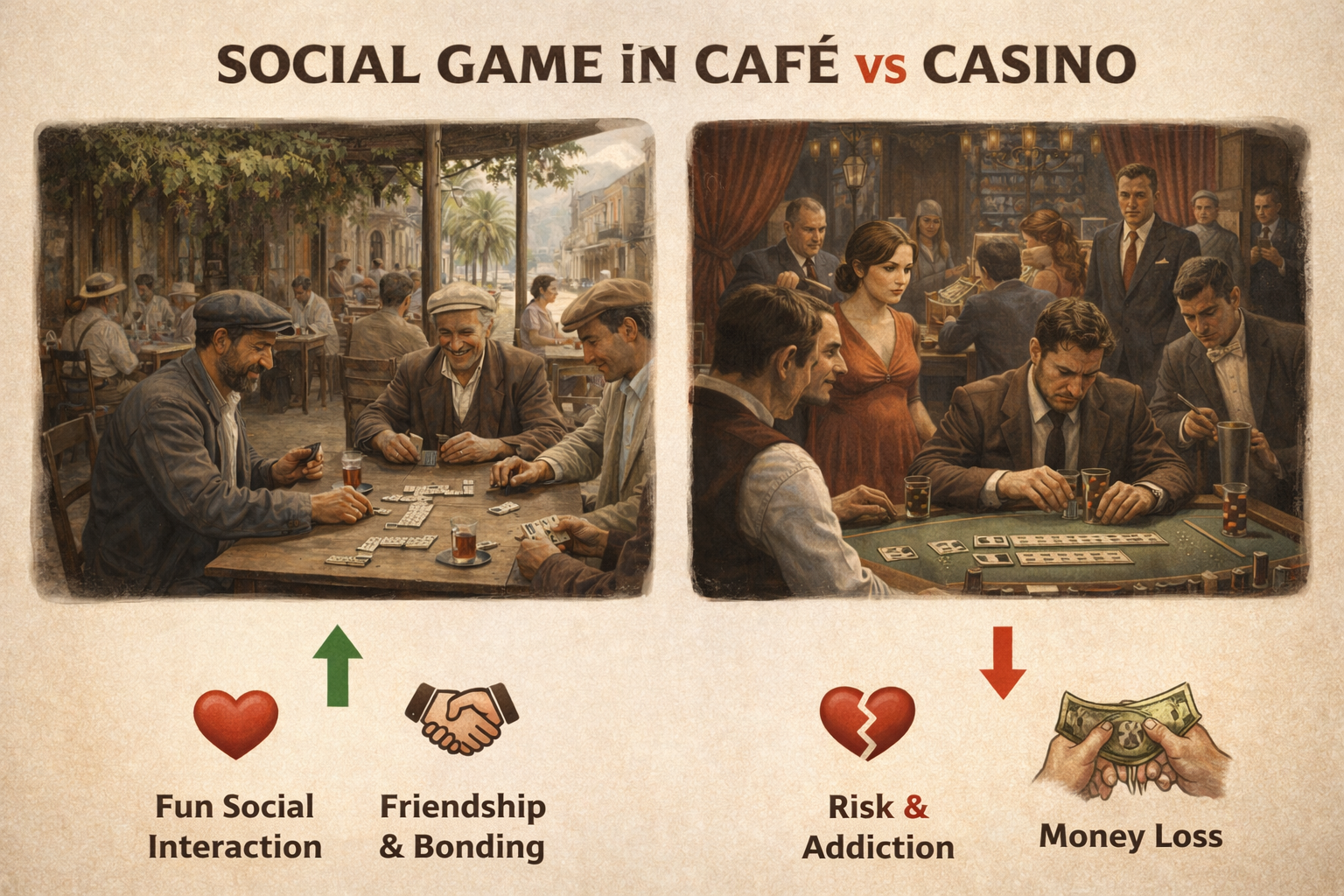
Heritage Games is designed as a competitive and social platform, not a casino.

What makes Heritage Games different

How It Works

Platform Overview

Heritage Games facilitates competitive matches between players under predefined rules and provides optional social interaction before and after gameplay.

The platform acts solely as a facilitator:

  • matching players
  • enforcing rules
  • handling settlement
  • enabling conversation

The operator does not influence gameplay or outcomes.

Match & Interaction Flow

1. Match Entry

Two players enter a match under the same rules and with equal stakes.

2. Stake Locking

Each player's stake is temporarily locked for the duration of the match.

3. Gameplay

Matches are played according to predefined rules and typically conclude within minutes. Outcomes are determined by player decisions (pure skill), or predefined probability mechanics.

4. Completion & Settlement

  • The winner receives the opponent's stake
  • The platform retains a fixed participation fee
  • Settlement occurs immediately and automatically

5. Social Interaction (Optional)

After the match, players may exchange short messages, discuss the game, or agree to a rematch. Participation in social features is optional and moderated.

Platform Role

The operator:

  • does not act as a counterparty
  • does not set odds
  • does not bankroll matches
  • does not profit from player losses
Platform overview
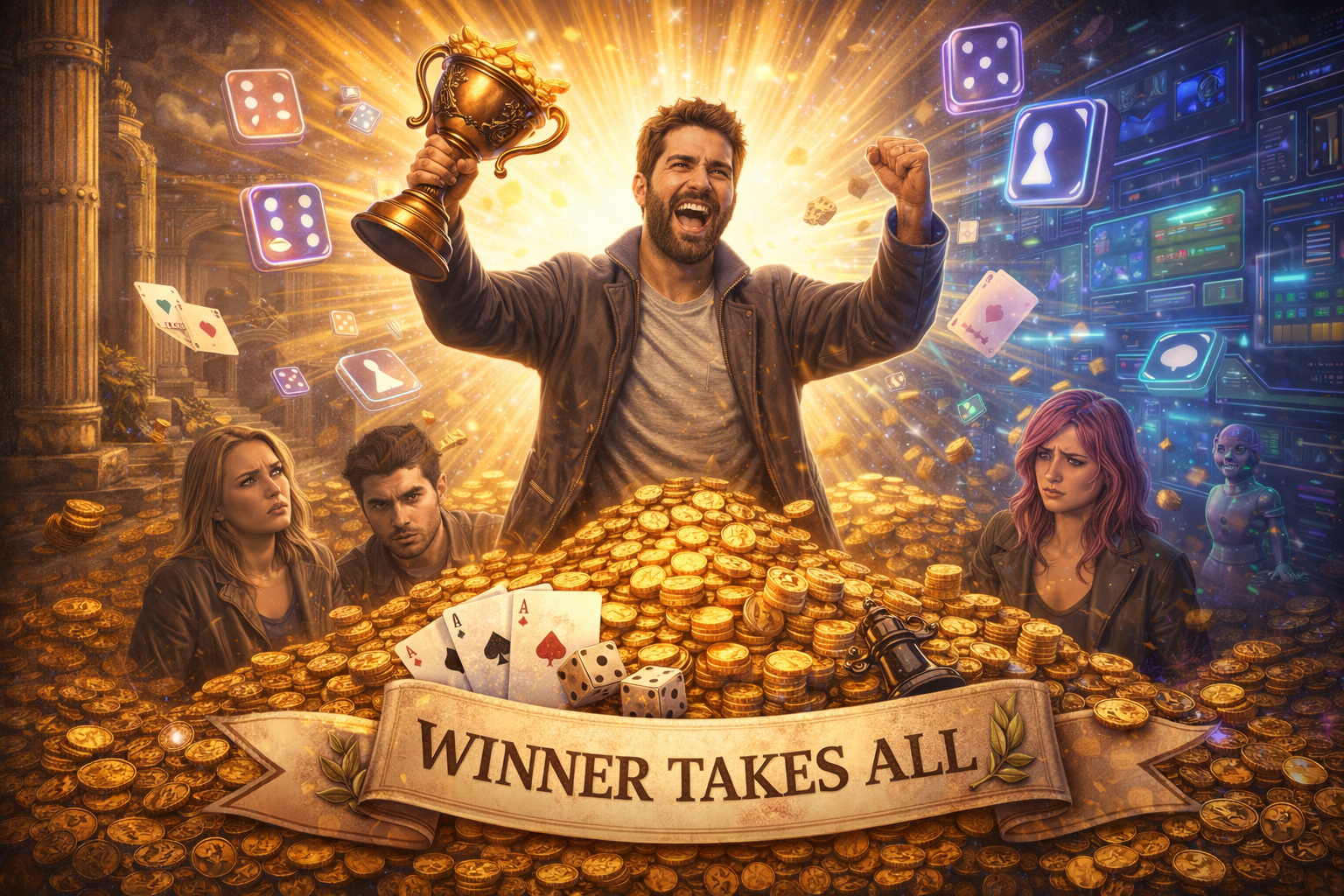
Winner takes all

Games

Our Game Philosophy

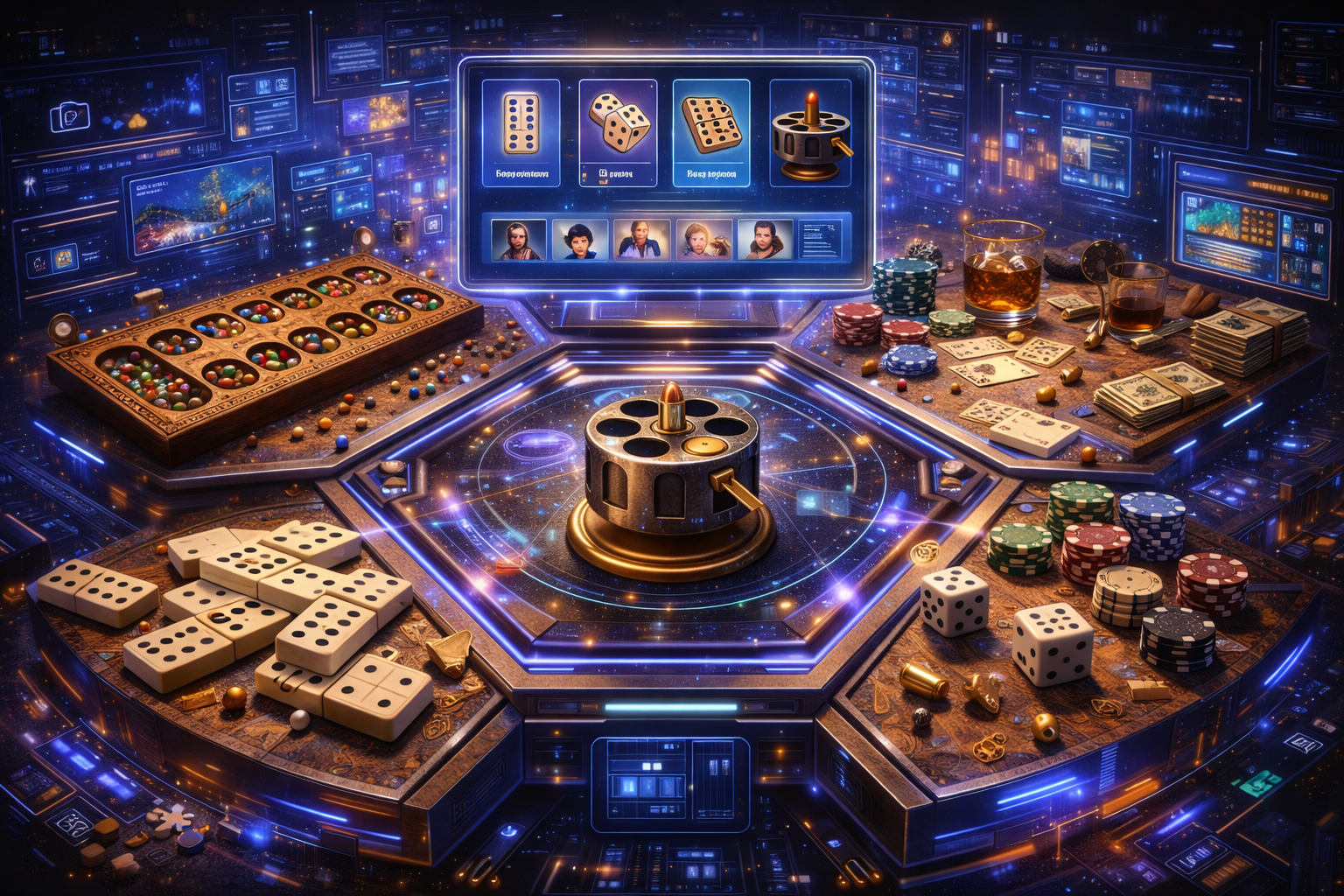
We focus on games that people have historically played with other people, not against machines. Each game is selected for simple rules, strong competitive dynamics, and suitability for short sessions and conversation.

Domino (Competitive Format)

Domino is one of the most widely played games in history, traditionally enjoyed in cafés and public spaces around the world.

Heritage Games version:

  • Player-vs-player matches
  • Deterministic rules
  • Equal stakes
  • Skill-based outcomes

Domino emphasizes memory, calculation, and tactical decision-making, often accompanied by conversation.

Mangala (Strategy Game)

Mangala is a traditional strategy game from the mancala family, played across cultures for centuries.

Key characteristics:

  • Pure skill
  • No randomness
  • Short match duration
  • High strategic depth

Mangala is planned as one of the platform's core competitive games.

Final Turn (Probability Duel)

Final Turn is a short-form competitive game based on an abstract probability mechanic. Two players alternate turns while an unstable system progresses toward resolution. With each turn, the probability that the match concludes increases.

Key characteristics:

  • Player-vs-player competition
  • Equal stakes
  • Predefined probability rules
  • Very short match duration

Final Turn does not depict or simulate violence, weapons, or physical harm.

Future Games

Additional traditional and competitive games may be introduced over time, following the same principles of transparency, fairness, and player-vs-player competition.

Domino game
Mangala game
Final Turn game

Community & Culture

A Digital Café

Heritage Games is designed to function as a digital café — a place where people from different countries and backgrounds can spend time together. Games serve as a natural starting point for interaction, similar to sharing a table in a traditional café.

Player Profiles & Identity

Every participant on Heritage Games has a public player profile, similar in concept to a personal page on a social network. Each profile represents the player as a real participant, not an anonymous account.

Player profiles may include: display name, country (optional), languages spoken (optional), and a short personal bio. This helps players recognize each other and interact more naturally across cultures.

Reputation & Competitive History

Heritage Games places strong emphasis on reputation built through play. Each player profile displays transparent competitive statistics: player rating (overall and game-specific), total matches played, win percentage, and historical performance trends.

Transparent Performance Ledger

The platform maintains a public, read-only performance ledger linked to each player profile, recording completed matches, aggregate competitive results, and total winnings across matches (net of losses and fees). These records support trust and transparency.

Watching Games & Discussion

Players may observe live or completed matches, review how others play, and discuss games and strategies in a moderated environment — reflecting the traditional café experience.

Respectful Interaction

All social features are optional and subject to moderation. The platform enforces respectful communication, zero tolerance for harassment or hate speech, and clear boundaries between competition and conduct.

Digital café

Principles & Fairness

Operator Neutrality

The platform does not participate in matches, does not adjust outcomes, and does not introduce hidden mechanics.

Game Integrity

All rules are predefined and visible. Outcomes are deterministic or based on transparent probability mechanics. All players are treated equally.

Transparency

Players can clearly understand how each game works, how outcomes are determined, and how settlement occurs.

Responsible Participation

Competitive Awareness

Participation in competitive games involving monetary stakes carries financial risk. Heritage Games emphasizes informed and responsible participation.

Platform Safeguards

The platform is designed to include predefined stake limits, optional loss limits, self-exclusion tools, and clear disclosure that players compete against other players.

No Incentivized Loss

The platform does not promote excessive participation, wagering-based bonuses, or risk-seeking behavior. The focus is on competition, not volume.

Contact

For investor, regulatory, or partnership inquiries:

Company Status: Heritage Games is a company in formation. Further corporate details will be published following incorporation.